Every so often I reflect on the great education I feel like my kids are getting here in Homer. There are so many "value-added" activities besides just school. One of these things is MathCounts, a nationwide middle school math competition that begins at the regional level, advances to state and then on to nationals. Aurora was involved in it both years in middle school, and now Denver has as well.
Middle schoolers who are in advanced math and have an A are pulled out of the regular classroom once a week to work on even more advanced math problems. The top 4 seventh and eighth graders (from Homer; if sixth grade is part of a middle school they are included), based on tests, are part of the official school team, while the next 4 can attend the regional competition as unofficial individuals. It gives them experience so hopefully they make it to the team in 8th grade. Aurora was only an individual the first year as she was homeschooled, and was on the Homer Middle School team the second year. Last year Denver went as an individual and this year as part of the team.
The competition involves three different types of tests: the Sprint, Target, Team and Countdown Rounds. This year Denver's team got second place at regionals, qualifying them for state. What I didn't realize is that state is all-expense-paid, which in Alaska can be significant! The 4 kids and coach were flown from Homer to Anchorage ($240 or so per ticket), stayed in a hotel (2 rooms, 2 nights, $100+/night), ate out at restaurants ($10 per child per meal) and bussed around for various activities. This year the state competition was in Anchorage, though in recent years it has been in Fairbanks. The kids got to Anchorage at noon on Friday, visited a planetarium, got dinner and free time. Saturday was the competition and then a tour of the UAA Engineering Building which is being built right now, then free time and dinner. And finally they flew home Sunday morning.
It was a treat for middle schoolers to have this opportunity. Corporations, foundations and individuals contribute donations to make this possible. The hope is to inspire these bright minded kids to seek careers in math or engineering. But for kids who aren't thinking that far ahead, it can still be a fun time. This year Homer Middle School's team did better than they have ever done, getting second at state, with three top-10 finishes.
I am a little sad that this chapter of my kids' life is over. They have been involved in it for 4 years now and it has inspired their love of math, while developing their teamwork skills with that math. I am grateful that one of the local college instructors and a middle school teacher are willing to be there and help these kids on. It is one more thing that makes me appreciate their education in Homer!
Alaska is a big place and no blog could sum it up. This is my slice of life living in Homer, Alaska.
Monday, March 31, 2014
Saturday, March 29, 2014
Cordova Adventure
| Cordova from the air |
This year the 3A basketball regionals tournament was held in Cordova. It is quite the coordination feat to get the teams there from around the Anchorage area and Kenai Peninsula. As part of the Board of Review, my husband had to go but he took the relatively quick and easy route of flying from Homer to Anchorage, and then from Anchorage to Cordova. The teams, however, had a much longer journey.
Regionals began on Thursday morning, March 6. The boys and girls basketball teams, cheerleaders, coaches, team managers and some parents got on the bus after school on Tuesday, fortified with Thai take-out from one of the cheerleader's parents who owns the local Vida's Thai (yum!) From there they drove to Hope, Alaska, about a 3 1/2 hour drive, which would put them within an hour of Whittier, where they had to catch the ferry Wednesday morning. As a funny side note, because we have spent time in Hope my daughter knew where the Hope School was. The bus driver thought he did, but drove down a long road quite a ways (that would be heading out to the Palmer Creek Mine area). She told him he passed the school (which is only a block or so off the main road in Hope), but he said, "No, no, it's down this road." Finally he realized he was passed it and turned around.
After spending the night in Hope, the kids got up bright and early Wednesday, at breakfast, loaded onto the bus and headed to Whittier, in order to get to the tunnel when vehicles were being let through. It is a 2-mile tunnel, and vehicles cannot go through at night, and during the day they are only let through every 30 minutes. Besides Houston High School, every team going to regionals was going through the tunnel at that time and getting on that ferry to Cordova.
Once through the tunnel, the kids had to go through TSA-type security and get on the ferry. Loading a ferry is quite a process. Some teams were taking their buses over, while other teams were taking private vehicles to shuttle kids around. Others were renting vehicles in Cordova (which is what my husband did). From what I heard the ferry was loaded TO capacity (maybe even a few extra folks) in order to get all the teams over. I heard they were going to have a second ferry run special for all the fans to get there, since there weren't enough flights to fly them all in.
The ferry ride was uneventful, luckily, but very long. It took off at 9 a.m. and didn't get to Cordova until 4 or 5 p.m. That was the "slow" ferry. On the way back they would take the "fast ferry," a catamaran (which was still a good 6-hour ride).
Once in Cordova the kids walked to their lodging. The girls stayed in a hotel that had kitchenettes, which was perfect so they could cook their own food, since Cordova only has a handful of restaurants open at this time of year. The boys were staying in the elementary school. Most of the games were being played in the high school. Pretty much the whole town can be walked in less than 10 minutes from one end to the next, so once the kids were there they wandered about the town and harbor.
| Prince William Motel, Cordova |
Doug stayed in a 3-story cinder-block motel, Prince William Motel, which he described as having "half-way clean rooms." It did have microwaves, small fridges and TV's in the rooms (I thought it interesting he even mentioned TV's. Don't all motels and hotels provide TV's nowadays?!). The rooms were spacious but there was no view, and the price was about right at $100/night. Apparently the motel complex had an interesting setup. I couldn't quite picture it from the way he was describing it.
| Ranked #1 on TripAdvisor for best food in Cordova |
The parents of the basketball teams had met and planned all the meals for the kids at regionals since they didn't want the expense and inconvenience of eating out. The boys ended up being right next to a kitchen at the elementary school and so that is where the teams cooked and ate their meals. Apparently a number of entrepreneur-minded folks in Cordova opened up their restaurants or made meals just to handle the huge influx of people on the town for 5 days.
The tournament was disappointing for both the boys and girls teams. The boys were ranked #3 in the state at some points during the season (top 3 from regionals go to state), so they were hopeful to go, but lost their fourth game. One of the top scorers for the girls team got violently ill the second day of the tournament and was out day 3 when we needed to win 2 games to make it to state, which we probably would have done handily had she been playing. But it is still exciting to travel and see all the teams playing. Quite an adventure to just play basketball! Two Homer High girls and one guy made the All-Conference First Team, Aurora and two guys made the All-Conference Second Team, one boy and one girl made the "Good Sports Team" and three cheerleaders were recognized for the all-cheer team. So they made a good showing despite some losses.
| Cordova Air Terminal: quite small! It is 12 miles out of town in the middle of nowhere. |
On a whim he went to the airport and discovered that there was ONE seat open on the plane with the Houston team at 1:00 p.m.. He nabbed it! His flight to Homer was at 10 p.m. so it was still going to be a long day hanging out in the Anchorage Airport. He texted me to let me know of the flight change. I was in Anchorage just heading into Costco and then home and was like, "I'm in Anchorage. I'll pick you up at the airport in an hour after I shop at Costco." We could not have planned that more perfectly.
Everything went smoothly on the travels, the weather was good and there was no drama between teams. The travel is always in the back of my mind when the kids are on the road for sports, and many other parents will mention in passing, "Whew! So glad the kids are home! So glad things went smoothly. They are all safe." Especially after the busload of cross-country skiers got in an accident in the pass going into Valdez this winter, we are all a bit edgy. And Aurora was happy because she got to ride on the ferry named Aurora!
Friday, March 28, 2014
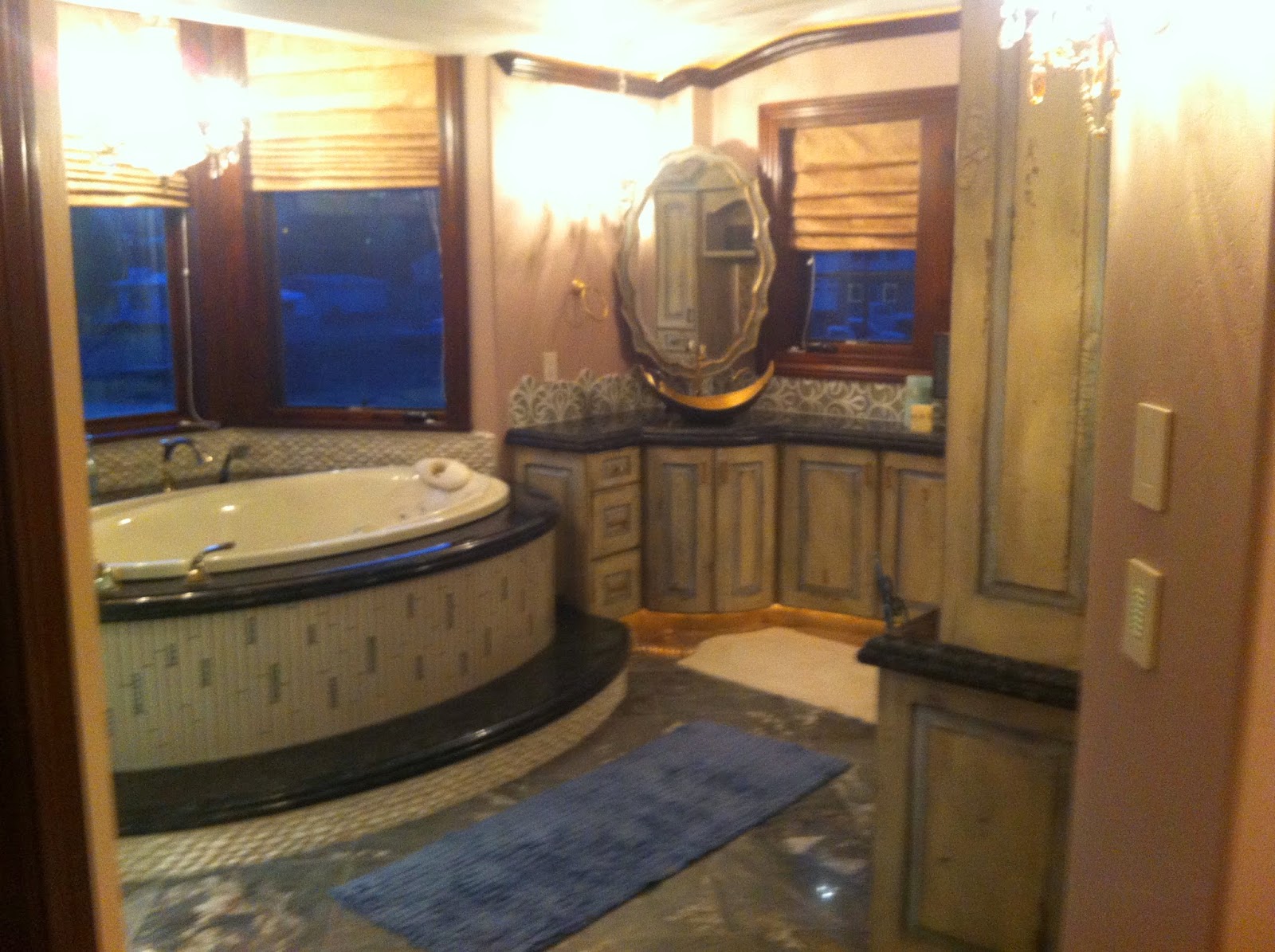
Second Star Luxury Home
The Homer High School boys and girls basketball teams jointly ran a raffle
fundraiser, the top prize being a day or evening rental of the Second Star, a
luxury home on the east end of Kachemak Drive in Homer built by Beachy Construction. In order to be motivated to sell
the tickets, players and their parents were offered tours of this home. It
ended up being a fascinating look into what money can build, and felt more like
a museum or showroom tour than a walk through a home that someone might live
in. Here are some pictures and perspectives
on this 1.16 million dollar home (1.33 million including the land).
With 13 bathrooms, 8 luxury bedrooms plus bunkrooms and
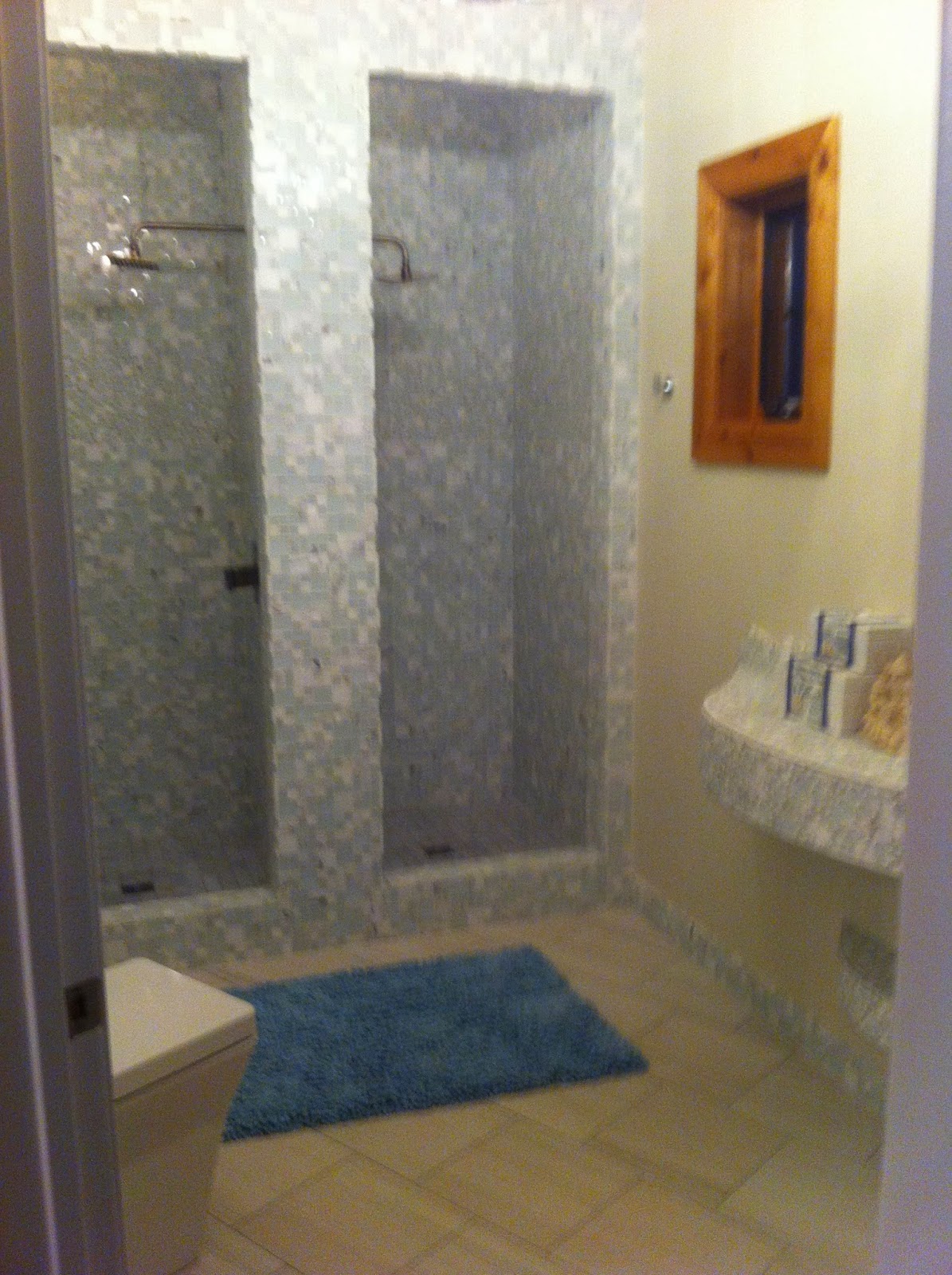
other children’s rooms, it seemed I was taking pictures of lots of bathrooms
and bedrooms. It was hard to get the effect as there was so much to take in. Chandeliers abounded as did artwork and gorgeous views of Kachemak
Bay. Some features include:
Pool- Pool with treadmill in it
- Sauna
- Hot tub
- Game room
- Movie theater
- Library
- Office
- 3000 square feet of decking
- Outdoor oven
- Hidden passages
- Servants quarters
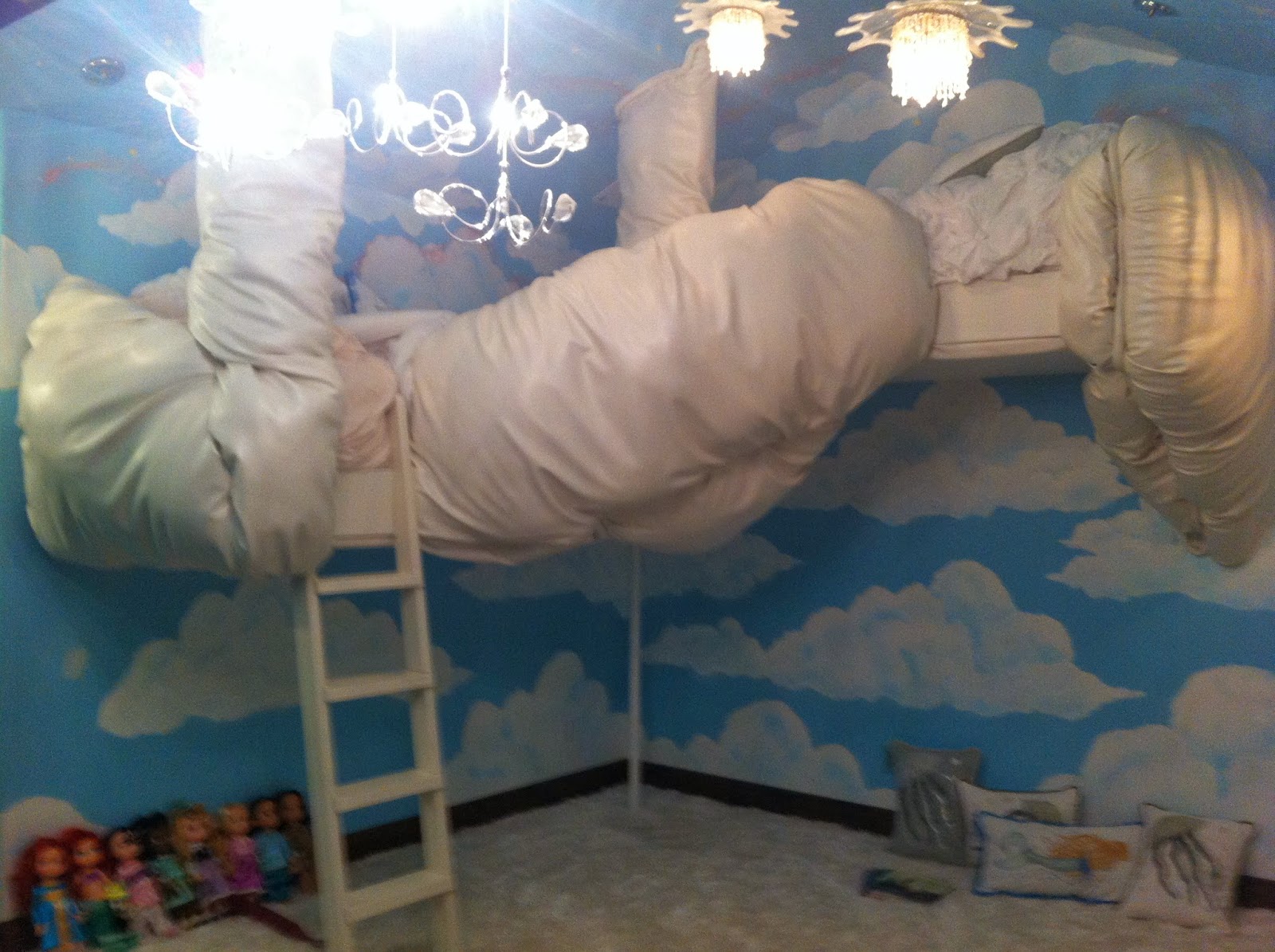
- NeverNever Land play area with ship, treehouse and passageways
The
most common reaction from those of us touring the house was wide eyes, “Wow!” and
“Look at that!” It is not common to have 17,000 foot luxury homes in
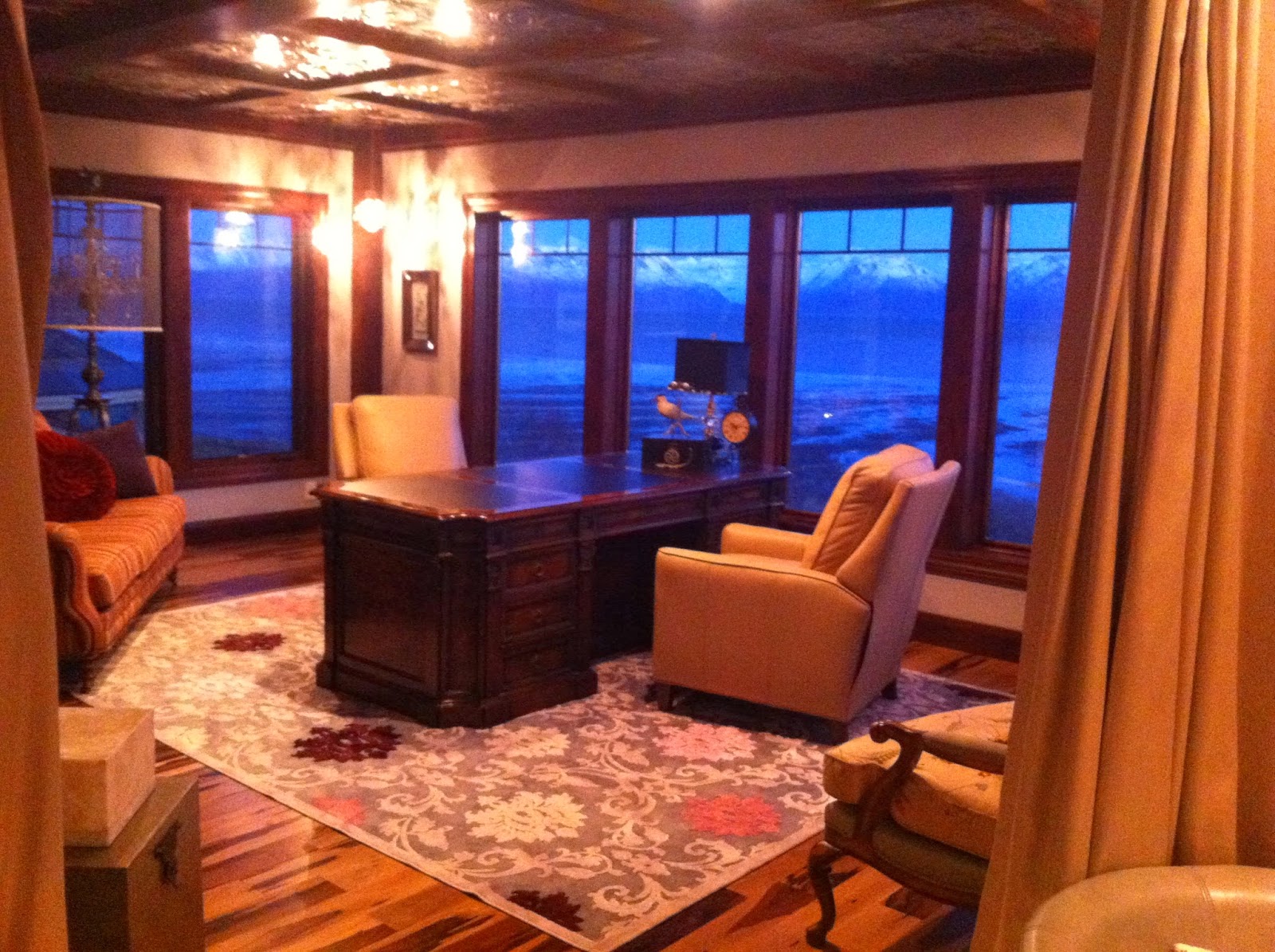
Homer. My favorite room was the office,
as I could totally picture myself sitting at the desk enjoying the view, though
I’m afraid I would just want to turn it into an artist’s studio and paint the
views instead!
I
really wanted to win the raffle ticket, picturing being able to enjoy treating
friends to a gala event at the Second Star. Alas, it was not to be. But I still
enjoy the memories of walking through this amazing home!
| Small pool for exercise, with treadmill in the bottom. |
| Shower/changing room by pool/sauna/hot tub area |
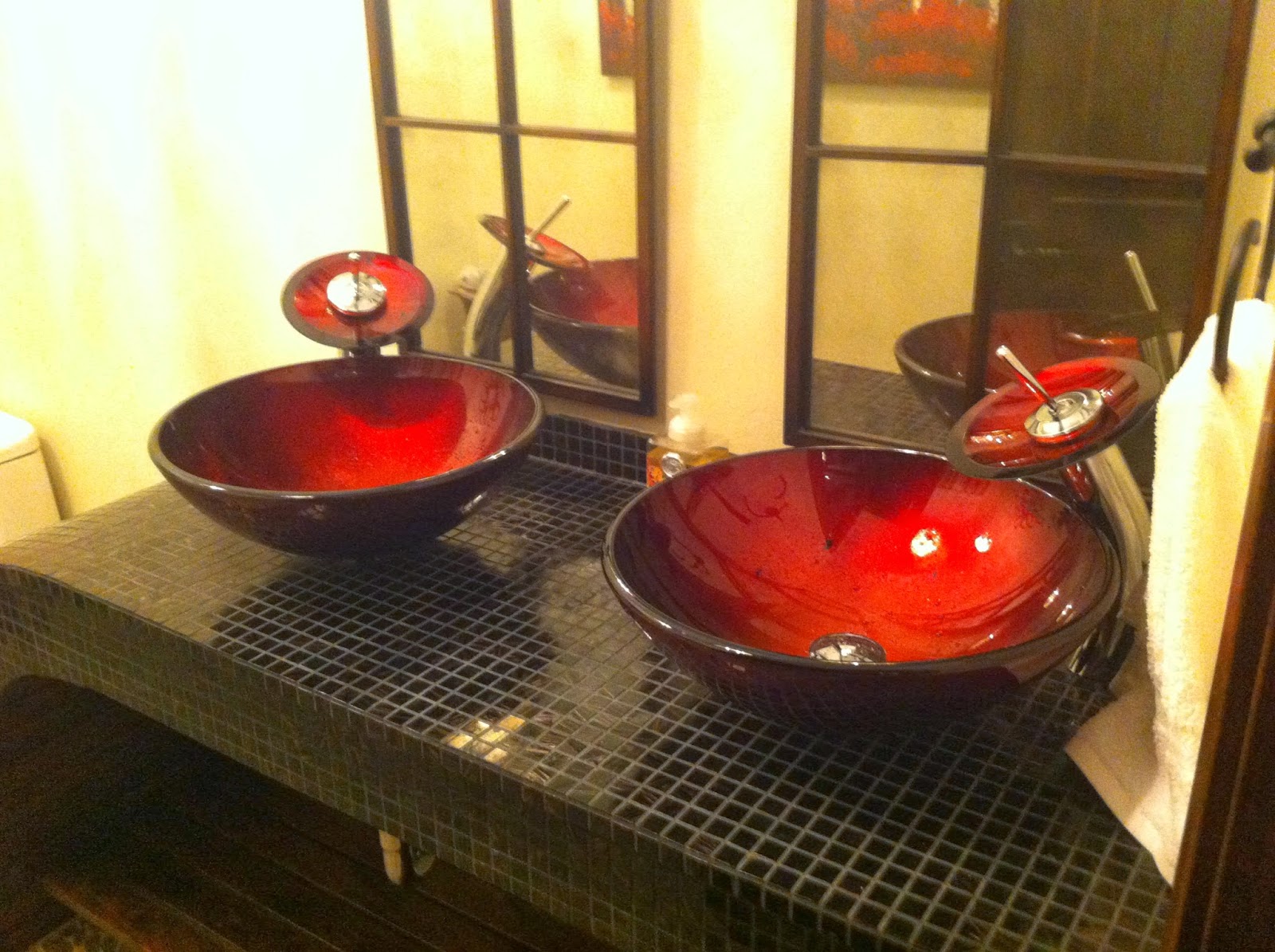
| It seemed there were double sinks in all the bathrooms in the house, all unique! |
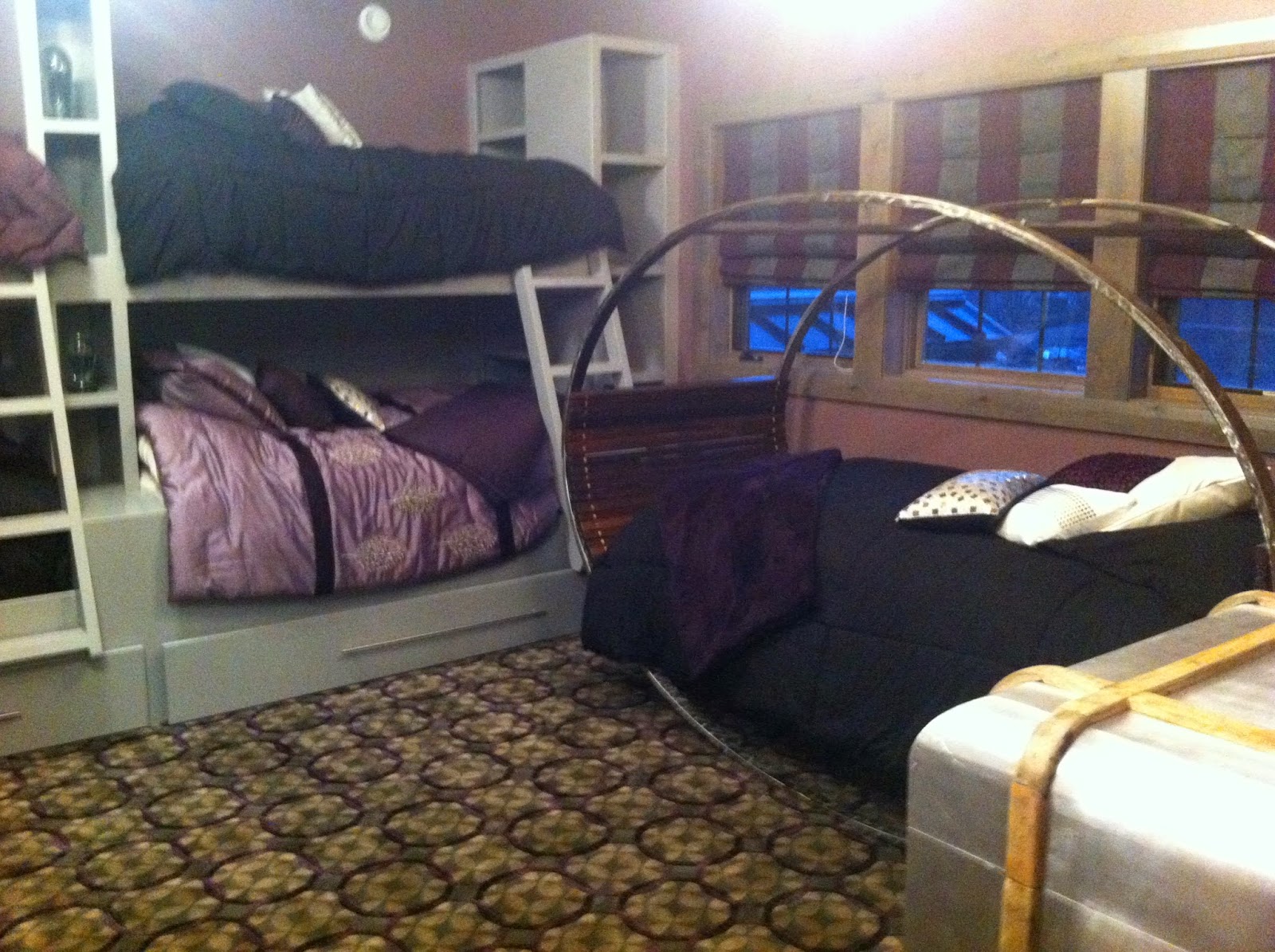
| Bunkroom, with at least 5 beds, including the one rocking one (metal frame) |
| All of the luxury bedrooms came with their own bathrooms, with each bedroom and bath uniquely appointed. |
| My favorite room: the office with view of Kachemak Bay outside. |
| A section of the master bedroom's bathroom (the bathroom had multiple rooms) |
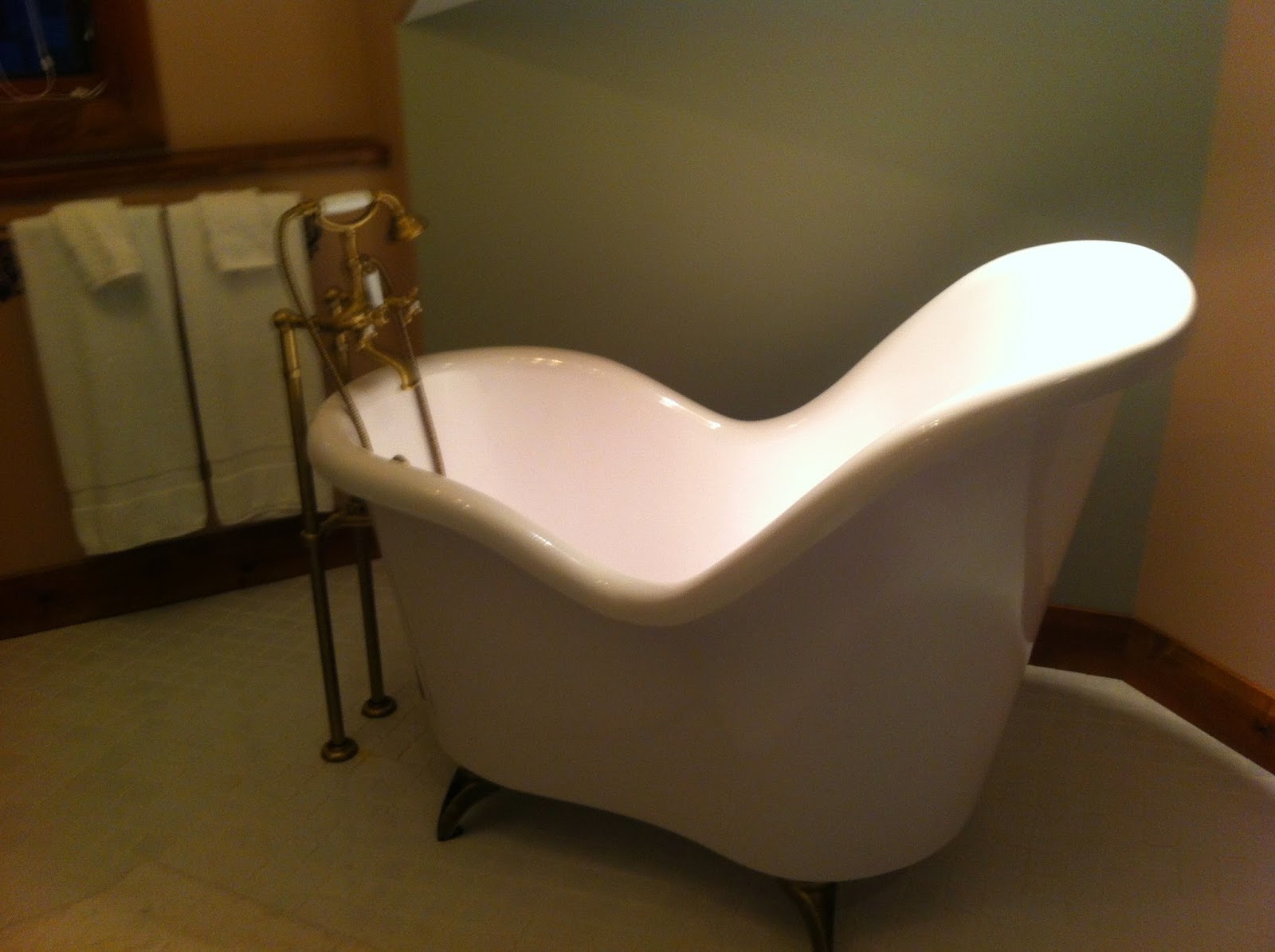
| Cute little kiddie-size tub |
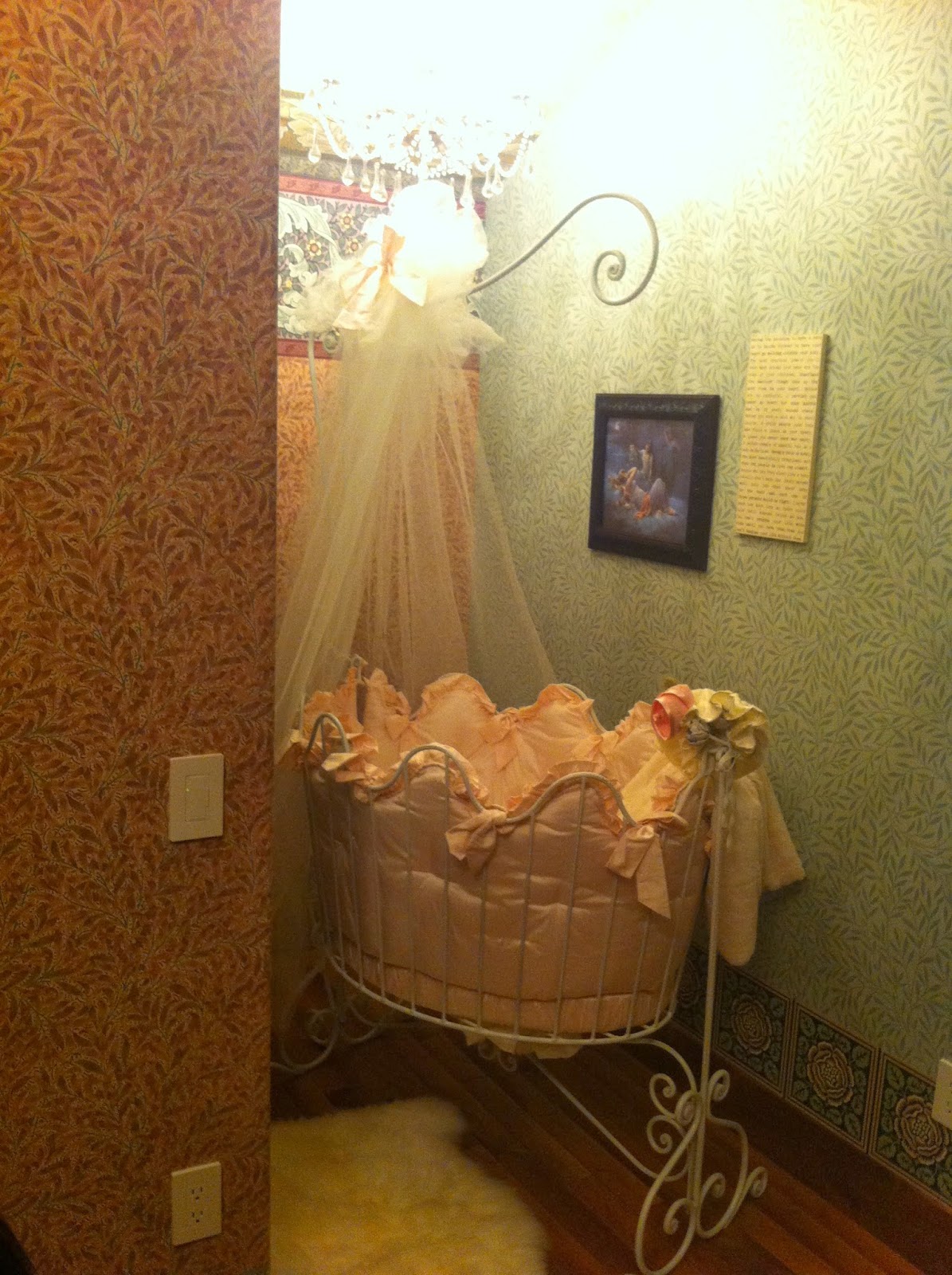
| Bassinet in a nook off one of the bedrooms off of NeverNeverLand |
| Ship in NeverNeverLand on 3rd floor--kids' playroom plus bedrooms |
| Tree inside NeverNeverLand play area, with stairs and passageways to crawl through and fake grass carpet |
| Porthole bedroom off of NeverNeverLand |
| Treehouse in NeverNeverLand, except that it is supposed to be up in the sky (skyhouse?) |
For more on this home and other pictures, see the local
paper’s article on it in the Homer Tribune:
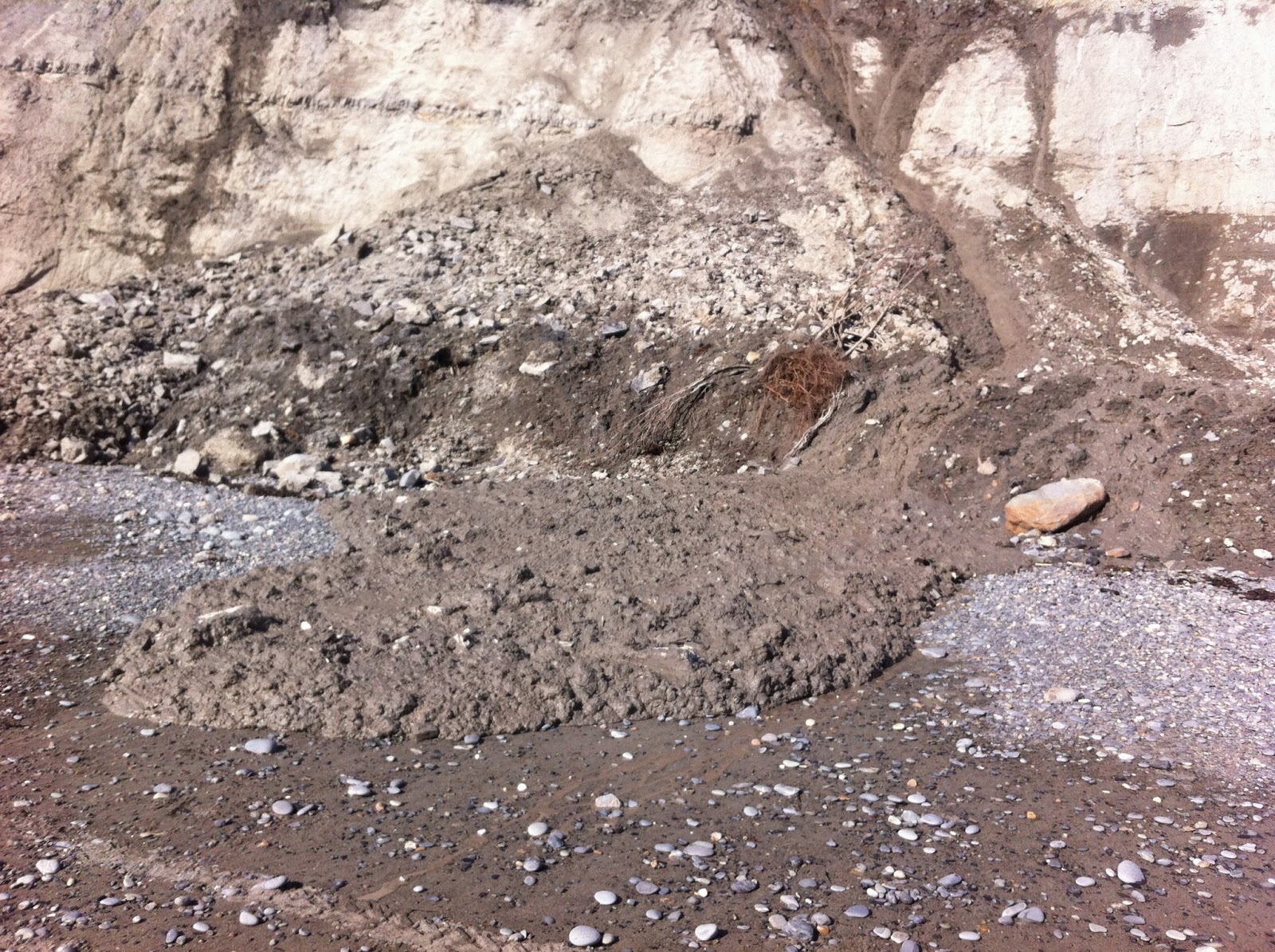
Goopy Guck Oozing off the Cliffs
| Muck oozing off the cliffs along Bishop's Beach |
I rarely get out for walks along Bishop's Beach these days, and even when I do I seldom get as far as the cliffs. Last week was a gorgeous sunny day (we've had a streak of those days lately!) and Denver and I had some time after school with nothing on the calendar for a couple hours. We decided to take a long walk on Bishop's Beach. The last time I'd walked there was whenever I last hiked the beach from Diamond Creek to Bishop's Beach, last fall probably, and even then I was further out on the hard-packed sand rather than close to the cliffs. So I was startled at the changes along the line of cliffs since the last time I'd come by.
In some areas the edge had crept even closer to houses or cabins--in one place within a couple feet. In other areas large evergreen trees on the top of the ridge had fallen, prey to the receding coastline. And other areas had some significant slumping. What was most fascinating was coming across an actively moving area. The oozing mud you see in the picture above was advancing as we watched, with water alternately trickling and gushing down the ridge in the 20 minutes we stood and watched it. Large rocks the size of our head tumbled down, as well as chunks of dirt bouncing down and then hunks of the earth breaking off. In this section the mud was mixed with sections of trees and brush.
The tide was advancing, so the muddy ooze above would soon be gone. In fact, the tide would get as high as where the ridge started climbing. If there were large waves during a high tide, it would take even more of the cliffside.
The receding coastline has been well documented, and to some degree it is a natural process that would occur whether humans were here or not. If property is not at risk, then nothing is usually done. And sometimes even if property is at risk, there still might not be anything that can be done. The type of earth and the level of saturation makes it difficult to contain. It fascinates me seeing erosion happening before my eyes, from month to month and year to year. And at the same time it is disquieting as ocean levels are predicted to continue rising and even as little as an inch can make a difference in how much a shoreline erodes. It makes me wonder what Homer's beaches will look like 50 years from now.
Thursday, March 27, 2014
Fighting the Eagles...at the Transfer Station
I have always associated bald eagles with beauty, strength and freedom, but delivering my trash to the transfer station recently I got a different perspective. As I pulled up I noticed 10-15 eagles standing, hopping, eating and swooping around inside the transfer station where I needed to drop my trash. Being so close to these birds, I appreciated those vicious, curved beaks and I had no desire to get too close to them.
I backed in like always and cautiously got out, watching overhead. I heard about an eagle swooping close to someone's head in there. I opened up my vehicle, tossed my bags out, got out my phone and took pictures and all the while the eagles virtually ignored me. With the rabbit population plummeting they are hungry, and trash is food, so they're looking for a meal.
People up here seem quite attuned to how life is different here than elsewhere, with comments like, "That's so Alaska" or "That's so Homer" being fairly common. Well, this was one of those situations that I thought to myself, "This is so Alaska," and thought it blogworthy in my otherwise fairly uneventful hum-drum life during the schoolyear.
So if you're visiting Homer and want to see eagles, you'll pass the Shell gas station as you're coming to the top of the Baycrest Hill. Make a left right past the gas station and drive up to the trash disposal building and you may see a few (or a lot!) of eagles.
Thursday, October 3, 2013
On Dismantling a Yurt....
| Yurts are known as portable houses. I wouldn't care to take down and put one up every year, but it could be done. |
| Denver heads down the trail with a bunkbed mattress |
The first thing we had to do was take down all the bunkbeds inside the yurt. That actually ended up being a time-consuming and challenging task as they hadn't been taken apart in years and they were solidly built with heavy wood so hauling them down to the storage shed was reserved for the strongest among us (the teenage boys). Even they had to take breaks along the 50 foot trail, and that was with the beds dismantled!
I wanted nothing to do with bed dismantling so I started taking off the yurt walls. To start with part of the doorframe had to be unscrewed as the wall was tucked into it, holding it up. A string is laced through the holes at the top of the wall where the ceiling comes down, all the way around, so once the string was untied and unlaced and a few reinforcing zipties clipped, the wall just fell down.
| Dismantling the bunkbeds took a long time! |
To make it a little more manageable, Denver unlaced the wall just ahead of me as I rolled it up. The wall can be taken apart in 6 or 8 foot widths, but I kept 2 sections together and only unzipped and unvelcroed them in two spots, leaving me 3 hunks of wall. The rolled up walls we clunky to handle and had been there so long they had moss growing on them. We took them down to the main building and unrolled them over the deck railing to dry out and clean off.
| The walls are off |
There was also insulation all around the inside of the walls, held up by zipties. Once those zipties were snipped, the insulation fell down. That was a simple matter to roll up as it was in manageable-sized pieces and was lightweight.
| Taking off the skylight |
| The roof is off |
The ceiling insulation slid right off and was in pieces so that was an easy enough task to roll up.
| Holding the door until we got the tools to get the doorframe off the door so we could actually move it |
Next we had to support the center circle with a couple boards, release the tension of the cable that goes around the top of the walls (this is what is key to holding the whole thing up), and take out the wooden ceiling dowels. For all that wood we had around, we couldn't find any that was the right length to support the ceiling, so we put 2 guys on ladders holding the middle support up while someone released the cable tension and the dowels began dropping off.
| You can see the cable still running along the top of the yurt as the dowels come down |
| Soon all that was left was the top, supported by a couple guys rather than the dowels. |
| Amazing how compactly the walls fold down! |
| The not-rotten circular platform on top of the rotten platform--in need of a sawz-all |
I have to admit, I wouldn't want to put up a yurt without better directions or someone experienced. The director jokingly suggested that next spring the Boy Scouts can put the yurts up. In that case, Denver has a heads up on what to expect!!
Peterson Bay Field Station
Recently I opened up my email to find an invite to head across Kachemak Bay to the Peterson Bay Field Station for a workday. Checking my calendar, I discovered my calendar was free for that 24 hour slot. I talked my son into going with me and we were in on a mellow adventure.
Most trips across the bay start at the Homer Harbor. We were scheduled to take the Discovery on a Saturday afternoon, which was heading over to pick up the last school group of the year that had been at Peterson Bay since Thursday. The first thing we noticed as we hauled our gear down to the boat is that it wasn't very far down! Normally the walkway you see in the picture has a steep grade and one has to be careful, but the incline was slight which was a weird feeling! The tide was somewhere around +22 feet, so imagine what the walkway would look like at, say, a -5 foot tide!
The Discovery seemed like overkill to take 8 of us over to Peterson Bay, but when we got there I discovered that the boat would be quite full on the way back with what looked like 6th graders and all their gear for 3 days. When we arrived at the "dock" I discovered an interesting system in place. Peterson Bay has a floating dock that is far enough out to allow boats to come in at lower tides. In order to get from the floating dock to shore, there is a pulley system attached to a wooden platform that allows people to load their gear, get on, and pull themselves to shore. Once their gear is offloaded they can pull the platform back to the floating dock or they can leave it in near shore.
When we arrived one load of kids were waiting on the dock while the second group was in the process of pulling themselves over. We put our things off to one side as they loaded themselves and their gear on the Discovery, then we lined up to pull ourselves to shore.
Upon arriving at the stairs to the field station, we hauled out the gangplank that allowed us to walk over to the steps and we proceeded to haul our gear and food up the stairs to the main building.
The area is overgrown with devil's club (nasty, spiny plants), blueberry plants, alders, trees and brush so most of the areas you can walk in right by the field station are boardwalks and wooden pathways. Right up the stairs to the right was a gigantic firepit. My son's Boy Scout troop comes over to Peterson Bay every April and shovels off all the platforms and walkways and does other work. There's usually 3 feet or more of snow, so my son was really excited to see Peterson Bay without any snow! His troop spent a lot of time around the firepit as they were outside all day working in the snow in April so it was a vital spot for congregating.
There is a large main building that was originally going to be someone's home back in the 1980's, but when one of the couple died, the other sold the building and land very cheaply to the Center for Alaskan Coastal Studies as a field station.
The other building is a bathrooms (2 composting toilets, 2 showers), workshop and storage shed. Besides that there are 4 yurts, with a new one going up soon, with outhouses by each.
Inside the main lodge there is a small kitchen, a mudroom, this main room for dining and upstairs, a classroom and two sleeping quarters for staff. There is electricity (VERY expensive!) and running, potable water.
There were 8 of us on this work weekend: myself and my son, a couple from Pennsylvania who are traveling physical therapists who have been in Homer since May, the director of the CACS and her teenage son, his friend, and her 6-year-old daughter. We had 2 main tasks we hoped to complete: haul lumber for 2 yurt platforms from near the water up to where the platforms would be built, and take down one yurt that was on a rotting platform and demolish the platform.
After our arrival we all chose a yurt to sleep in, changed into work clothes, got a briefing on what lumber went where, and began to haul. I'm in reasonably good shape, and while this wasn't an extremely difficult task, it had its share of challenges. There were 6 of us doing most of the hauling. There was one pile of wood below the main lodge that needed to be carried down some stairs, across a walkway, up some stairs, around the building, down some stairs, across some rough wood planks and up a slippery, narrow, muddy path. The other pile was just above the lodge, so just needed to be hauled across a wooden walkway and up the muddy path. Denver and I worked on that pile while the teenage boys worked both piles and the young couple worked the lower pile.
There were about 10 different types of wood, from 4x4's to 2x4x10, 2x6x12, 2x8x16, some treated, some hemlock or fir, some all weather....you get the idea. The lumber was being taken to 2 different spots, and we had to know how much of each type of lumber to put in each spot (split equally), and had to pile the same type of lumber together so the folks who built the yurt platforms, steps and railings could access what they needed without digging through the pile. Added to the challenge is that the ground we needed to stack the wood on was uneven so our piles often fell over.
The narrow trails meant we sometimes had to wait for someone else to walk by before we could go, but that was the least of our challenges. I, for one, appreciated the breaks! It rained a bit off and on and was cool, but we were working hard so shed the layers bit by bit.
Three hours later of steady, mostly nonstop work, we'd moved all of the hundreds of pieces of lumber to their staging areas. My shoulder bones were sore from when we'd carried the wood on our shoulders and my elbows ached from when we carried the lumber in a straight-arm hang. But there was a sense of accomplishment and we'd worked together well to get the job done about as efficiently as we could have. We covered up the wood with tarps and headed into the lodge for dinner, just beating the oncoming darkness.
After eating a delicious dinner of tacos with homegrown fixings and playing Whale Monopoly with the 6-year-old (who, by the way, talked nonstop the entire time we were there), we decided that nighttime tidepooling sounded like more fun than a bonfire. We hoped to find some luminescent algae or luminescent jellyfish.
Everyone got their warm clothes on, muck boots, headlamps and rendezvoused at the firepit. From there we headed down the stairs (the ones that you saw pictured, covered with water) and to the left, taking the high ground around to Otter Rock, which had just been peeping out of the water at high tide but which we would easily walk to at low tide. A long 15 or 20 minute walk got us around the muddy low spots over to the beach by Otter Rock. It felt like one of those trust falls you do to promote teamwork and trust. I couldn't see much of anything except a small circle of light from my dim headlamp and the other people's headlamps, bobbing ahead of or behind me. I could barely see the ground yet somehow I followed the trail, avoided the mud, stepped over logs and didn't slip and fall on the slippery rocks on the beach.
Tidepooling at night was interesting. Of course there's the issue of slippery, wet rocks and walking over them. Plus you can pretty much only see what your headlamp is focused on. Like Denver said, it's almost better because your attention is not distracted by other things. I practiced good tidepooling etiquette: only lift up rocks the size of my head or smaller that I can lift, hold and put back down gently right where they were. We found all sorts of the usual tidepooling goodies: crabs, starfish, worms, chitons, barnacles, sea urchins, limpets and nudibranches. We didn't find any luminescents, but then we didn't wave our hand in the water or toss rocks in the water in order to find them either (too cold!).
The walk back was more comfortable than the walk there, though it was very dark and I couldn't see much. I had a general idea of where I was going and figured I could find my way back if I got separated from everyone else. I had all my warm clothes on, 4 layers on top and 2 on the bottom, hat, neckwarmer, and gloves, and I was just about warm enough. The 6-year-old's hand were really cold from poking around in the wet stuff and I wouldn't have minded some hotties for my hands either.
Sunday we ate breakfast and started working on yurt dismantling. I'm going to do a separate blog post for that one. We got that down in 2 hours, hacked away at the rotten platform for an hour, ate lunch, packed, cleaned up and then got ready to go.
The wind had been building all day and we would be taking a small boat back. The atmosphere was very different heading out--sunshine rather than rain and windy rather than calm. We did everything the opposite: loaded up the floating platform, hauled ourselves back to the dock and then loaded the boat up and away we went. They are working on building a permanent dock (seen mid-picture--on the right, by the trees) so that the pulley system doesn't need to be used and so people can come and go at lower tides. But it certainly added a bit of flavor to the experience.
The boat ride back was exciting, with large rollers covered with choppy waves. We were packed on the little boat, but made good time and soon were back in the calm harbor. Coming back in after being across the bay is a bit like moving from one world to another--stepping through a time warp. It is always a little jarring and reminds me why there is such a mystique to "going across the bay."
It was a good trip--I appreciated the free ride and food in exchange for my work and finally got to see Peterson Bay. It is a hub of activity in the summer with many groups going over for tidepooling and other educational activities. My only regret was not having time to go hiking on the field station trails (they needed those hiked with a GPS to make more accurate maps but we didn't get to it). But if I leave something undone I have an excuse to go back!
| A high tide means the whole harbor rises, sometimes 20-30 feet. |
The Discovery seemed like overkill to take 8 of us over to Peterson Bay, but when we got there I discovered that the boat would be quite full on the way back with what looked like 6th graders and all their gear for 3 days. When we arrived at the "dock" I discovered an interesting system in place. Peterson Bay has a floating dock that is far enough out to allow boats to come in at lower tides. In order to get from the floating dock to shore, there is a pulley system attached to a wooden platform that allows people to load their gear, get on, and pull themselves to shore. Once their gear is offloaded they can pull the platform back to the floating dock or they can leave it in near shore.
| The students are pulling themselves and their gear to the floating dock and waiting boat. |
| The Discovery leaving the floating dock at Peterson Bay |
| This is a little blurry but I wanted to show what the entrance to Peterson Bay looks like on a high tide! |
| Giant firepit |
There is a large main building that was originally going to be someone's home back in the 1980's, but when one of the couple died, the other sold the building and land very cheaply to the Center for Alaskan Coastal Studies as a field station.
| View of the main building from the bathrooms area with yurt off to the left. |
| Inside the main lodge |
| View of the two buildings at Peterson Bay Field Station, from the top of the Eagle Aerie yurt |
After our arrival we all chose a yurt to sleep in, changed into work clothes, got a briefing on what lumber went where, and began to haul. I'm in reasonably good shape, and while this wasn't an extremely difficult task, it had its share of challenges. There were 6 of us doing most of the hauling. There was one pile of wood below the main lodge that needed to be carried down some stairs, across a walkway, up some stairs, around the building, down some stairs, across some rough wood planks and up a slippery, narrow, muddy path. The other pile was just above the lodge, so just needed to be hauled across a wooden walkway and up the muddy path. Denver and I worked on that pile while the teenage boys worked both piles and the young couple worked the lower pile.
There were about 10 different types of wood, from 4x4's to 2x4x10, 2x6x12, 2x8x16, some treated, some hemlock or fir, some all weather....you get the idea. The lumber was being taken to 2 different spots, and we had to know how much of each type of lumber to put in each spot (split equally), and had to pile the same type of lumber together so the folks who built the yurt platforms, steps and railings could access what they needed without digging through the pile. Added to the challenge is that the ground we needed to stack the wood on was uneven so our piles often fell over.
The narrow trails meant we sometimes had to wait for someone else to walk by before we could go, but that was the least of our challenges. I, for one, appreciated the breaks! It rained a bit off and on and was cool, but we were working hard so shed the layers bit by bit.
Three hours later of steady, mostly nonstop work, we'd moved all of the hundreds of pieces of lumber to their staging areas. My shoulder bones were sore from when we'd carried the wood on our shoulders and my elbows ached from when we carried the lumber in a straight-arm hang. But there was a sense of accomplishment and we'd worked together well to get the job done about as efficiently as we could have. We covered up the wood with tarps and headed into the lodge for dinner, just beating the oncoming darkness.
After eating a delicious dinner of tacos with homegrown fixings and playing Whale Monopoly with the 6-year-old (who, by the way, talked nonstop the entire time we were there), we decided that nighttime tidepooling sounded like more fun than a bonfire. We hoped to find some luminescent algae or luminescent jellyfish.
Everyone got their warm clothes on, muck boots, headlamps and rendezvoused at the firepit. From there we headed down the stairs (the ones that you saw pictured, covered with water) and to the left, taking the high ground around to Otter Rock, which had just been peeping out of the water at high tide but which we would easily walk to at low tide. A long 15 or 20 minute walk got us around the muddy low spots over to the beach by Otter Rock. It felt like one of those trust falls you do to promote teamwork and trust. I couldn't see much of anything except a small circle of light from my dim headlamp and the other people's headlamps, bobbing ahead of or behind me. I could barely see the ground yet somehow I followed the trail, avoided the mud, stepped over logs and didn't slip and fall on the slippery rocks on the beach.
Tidepooling at night was interesting. Of course there's the issue of slippery, wet rocks and walking over them. Plus you can pretty much only see what your headlamp is focused on. Like Denver said, it's almost better because your attention is not distracted by other things. I practiced good tidepooling etiquette: only lift up rocks the size of my head or smaller that I can lift, hold and put back down gently right where they were. We found all sorts of the usual tidepooling goodies: crabs, starfish, worms, chitons, barnacles, sea urchins, limpets and nudibranches. We didn't find any luminescents, but then we didn't wave our hand in the water or toss rocks in the water in order to find them either (too cold!).
The walk back was more comfortable than the walk there, though it was very dark and I couldn't see much. I had a general idea of where I was going and figured I could find my way back if I got separated from everyone else. I had all my warm clothes on, 4 layers on top and 2 on the bottom, hat, neckwarmer, and gloves, and I was just about warm enough. The 6-year-old's hand were really cold from poking around in the wet stuff and I wouldn't have minded some hotties for my hands either.
Sunday we ate breakfast and started working on yurt dismantling. I'm going to do a separate blog post for that one. We got that down in 2 hours, hacked away at the rotten platform for an hour, ate lunch, packed, cleaned up and then got ready to go.
The wind had been building all day and we would be taking a small boat back. The atmosphere was very different heading out--sunshine rather than rain and windy rather than calm. We did everything the opposite: loaded up the floating platform, hauled ourselves back to the dock and then loaded the boat up and away we went. They are working on building a permanent dock (seen mid-picture--on the right, by the trees) so that the pulley system doesn't need to be used and so people can come and go at lower tides. But it certainly added a bit of flavor to the experience.
The boat ride back was exciting, with large rollers covered with choppy waves. We were packed on the little boat, but made good time and soon were back in the calm harbor. Coming back in after being across the bay is a bit like moving from one world to another--stepping through a time warp. It is always a little jarring and reminds me why there is such a mystique to "going across the bay."
It was a good trip--I appreciated the free ride and food in exchange for my work and finally got to see Peterson Bay. It is a hub of activity in the summer with many groups going over for tidepooling and other educational activities. My only regret was not having time to go hiking on the field station trails (they needed those hiked with a GPS to make more accurate maps but we didn't get to it). But if I leave something undone I have an excuse to go back!
Subscribe to:
Posts (Atom)